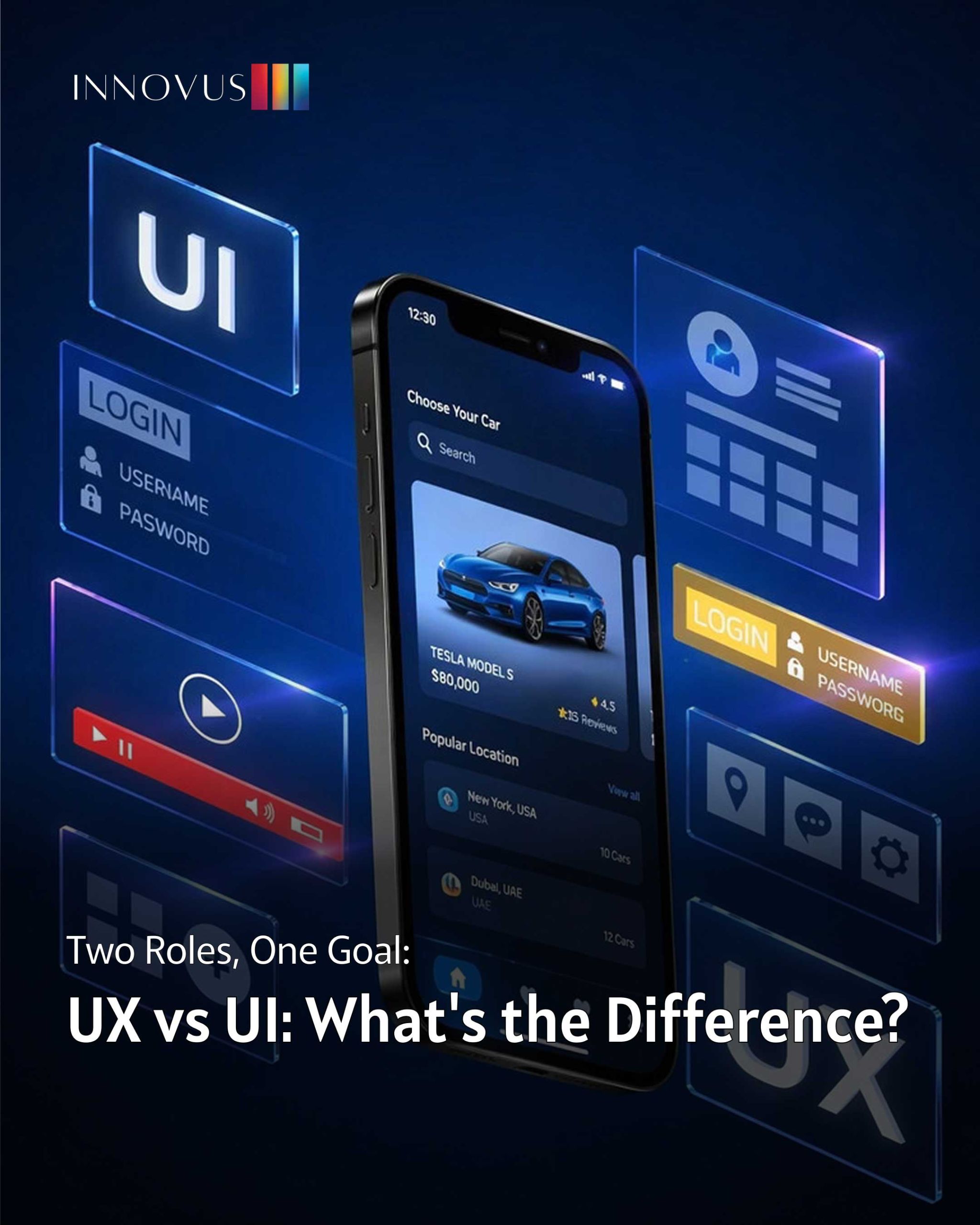

If you’ve ever researched website design, you’ve probably come across the terms UX and UI. They’re often mentioned together, and while they’re closely related, they aren’t the same thing.
Understanding the difference isn’t just useful for designers. For business owners, knowing how UX and UI work together can help you build a website that not only looks professional but also delivers a better experience for your customers.
A great website needs both. An attractive design may capture attention, but a positive user experience is what encourages visitors to stay, explore, and take action.
What Is UX?
UX stands for User Experience. It refers to how someone feels when interacting with your website from the moment they arrive until they leave.
Good UX is about making the website easy to use. Visitors should be able to find information quickly, navigate without confusion, and complete tasks without unnecessary effort.
UX focuses on questions like:
- Is the website easy to navigate?
- Can visitors find what they’re looking for?
- Does the website load quickly?
- Is the content organised logically?
- Is it simple to submit an enquiry or make a purchase?
When the experience feels effortless, that’s good UX.
What Is UI?
UI stands for User Interface. It refers to the visual elements people interact with on your website.
This includes everything users can see and click, such as:
- Colours
- Typography
- Buttons
- Icons
- Images
- Layouts
- Forms
- Navigation menus
UI is responsible for the look and feel of your website. It helps create a strong first impression and ensures your brand is presented consistently across every page. A well-designed interface makes the website visually appealing while supporting the overall user experience.
UX and UI Work Together
Although they’re different, UX and UI depend on each other.
Imagine walking into a beautifully designed shop. The interior looks modern, the branding is impressive, and everything appears high quality. But if you can’t find what you’re looking for or the checkout process is confusing, the overall experience becomes frustrating.
The same applies to a website. A beautiful interface can’t compensate for poor usability, and an easy-to-use website may still struggle to build trust if it looks outdated or unprofessional. The strongest websites combine thoughtful user experience with clean, purposeful interface design.
Why UX Matters
Visitors don’t come to your website to admire the design. They come to achieve something.
They might want to:
- Learn about your services
- Compare products
- Read your content
- Request a quotation
- Contact your team
Good UX removes obstacles that slow visitors down. Every page should help users move naturally towards their goal. When people can complete tasks easily, they’re more likely to stay on your website, return in the future, and become customers.
Why UI Matters
People form opinions about your business within seconds of landing on your website. A clean, modern interface creates confidence before visitors even begin reading your content.
Good UI helps by:
- Making content easier to read
- Highlighting important information
- Creating visual consistency
- Reinforcing your brand identity
- Drawing attention to calls to action
Effective UI isn’t about adding more colours or animations. It’s about creating a design that feels polished, professional, and easy to understand.
Common Misconceptions
One of the biggest misconceptions is that UX and UI are interchangeable. They’re not. Another common assumption is that a beautiful website automatically provides a good user experience.
In reality, visitors care more about whether they can quickly find what they need than how many visual effects a website has. Likewise, a website that’s functional but visually outdated may struggle to build trust, even if it’s easy to use. The best results come from balancing both.
How UX and UI Improve Business Results
When UX and UI work together, the benefits go beyond appearance.
Businesses often see improvements in:
- Visitor engagement
- Time spent on the website
- Conversion rates
- Customer satisfaction
- Brand credibility
- Lead generation
A website that looks professional and feels easy to use encourages visitors to take the next step with confidence.

It All Comes Down to the User
At the end of the day, visitors don’t separate UX from UI, they simply remember how your website made them feel.
If they can navigate easily, find the information they need, and enjoy the overall experience, they’re far more likely to trust your business and take action.
That’s why successful websites don’t focus on appearance alone. They combine thoughtful design with a seamless user experience, creating a website that not only looks good but also works for the people using it.