
Stores & Systems · By Nova · 4 min read · 27 November 2026
Shopify vs WooCommerce vs a Custom Store: Which Suits a Malaysian Brand?
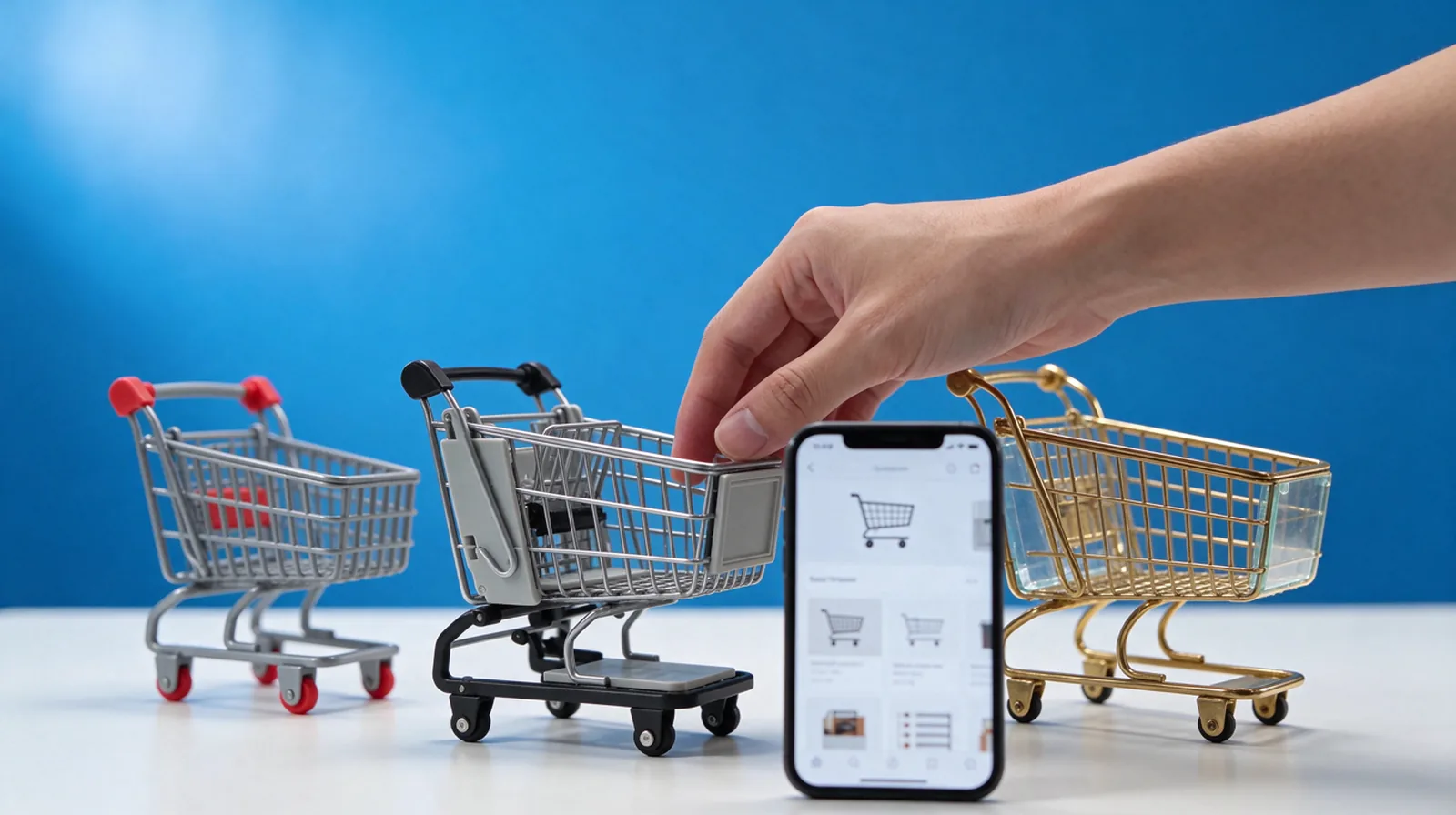
Three ways to build an online store
Every online store needs the same things: product pages, a cart, payments, shipping rules and a way to manage orders. The difference between the three options is who built those parts, who controls them and how much they can change.
| Shopify | WooCommerce | Custom store | |
|---|---|---|---|
| What it is | A hosted store platform you subscribe to | A free plug-in for a WordPress site on your own hosting | A store designed and built for your brand |
| Time to launch | Fastest | Medium | Longest |
| Look and feel | Themes, adjusted | Themes, adjusted | Designed from your products |
| Running costs | Monthly plan plus paid apps | Hosting, plug-ins and updates | Hosting and maintenance |
| Who keeps it working | The platform | You or your developer | You or your developer |
| Best for | Starting fast with standard products | Brands already on WordPress | Brands that sell on look, feel or a special process |
When Shopify makes sense
If you want to start selling this month, have standard products and do not mind looking like other Shopify stores, Shopify is hard to beat. Hosting, security and checkout are handled for you. The trade-offs are monthly fees that grow with every app you add, a look that comes from a theme, and less freedom over how the checkout and product pages work.
When WooCommerce makes sense
WooCommerce suits brands that already run a WordPress site and want the store in the same place. It is flexible and there is a plug-in for almost everything. The catch is maintenance: WordPress, the theme and every plug-in need regular updates, and an outdated plug-in is one of the most common ways a small store gets hacked or breaks.
When a custom store makes sense
A custom store is built around what you sell. Premium and design-led products, made-to-order items, bundles, B2B price lists or a 3D product viewer are all easier when the store is designed for them rather than bent to fit a theme. You own the design, and it looks like your brand, not a template.
- ✓Your products need to be seen properly before people buy
- ✓Your buying process is not a standard cart
- ✓You sell on marketplaces and want your own channel to feel different
- ✓You want to stop paying for a growing list of apps
Payments, shipping and the Malaysian checkout
Whichever you choose, Malaysian shoppers expect FPX online banking, cards and e-wallets at checkout, and clear delivery fees before they pay. Check that the platform and your payment gateway support all three before you commit. Our guide to payment gateways for Malaysian websites lists the questions to ask.
How to decide in ten minutes
- ✓Write down what makes your products different to buy
- ✓List the payment methods and delivery options you need
- ✓Count the apps or plug-ins you would need on a platform
- ✓Ask who will update the store every month, and what that costs
- ✓Decide whether the store has to look like your brand or can look like a theme
If most of your answers are standard, start on a platform. If your products, process or brand are what you sell, a custom store pays for itself in how it feels to buy from you.
Our e-commerce website design starts from RM 5,000. See our website design prices and what an e-commerce website costs in Malaysia.
FAQ
Frequently asked questions.
Q01Is Shopify or WooCommerce better in Malaysia?
Neither is better for everyone. Shopify is quicker to start and easier to run; WooCommerce gives more control if you already use WordPress. Both support Malaysian payment gateways through apps or plug-ins.
Q02Does a custom online store cost more?
Usually more up front, because it is designed and built for you. It can cost less over time if it replaces a long list of paid apps. Innovus e-commerce websites start from RM 5,000, confirmed in a written quotation.
Q03Can I move from Shopify to a custom store later?
Yes. Products, customers and orders can usually be exported and imported, and the old addresses can be redirected so you keep your Google rankings.
Q04Do I need my own store if I already sell on Shopee?
Not to sell, but to own the customer relationship and the brand experience. Our guide to selling direct explains what changes.
Q05Can customers pay with FPX and e-wallets on a custom store?
Yes. A custom store connects to the payment gateway you choose, and most Malaysian gateways support FPX, cards and e-wallets.