

When creating a website, one of the biggest decisions is whether to use a website builder or invest in a custom website.
Both options can help you establish an online presence, but they’re designed for different needs. The right choice depends on your business goals, budget, and how much flexibility you expect your website to have as your business grows.
Understanding the differences can help you make a more informed decision before investing your time and money.
What Is a Website Builder?
Website builders are platforms that allow users to create a website using pre-designed templates and drag-and-drop tools. They’re designed to make website creation simple, even for people with little or no technical experience.
Website builders are often a good choice for:
- Personal websites
- Small portfolios
- Temporary landing pages
- New businesses with simple requirements
They make it possible to launch a website quickly without needing to write code or manage the technical side of development.
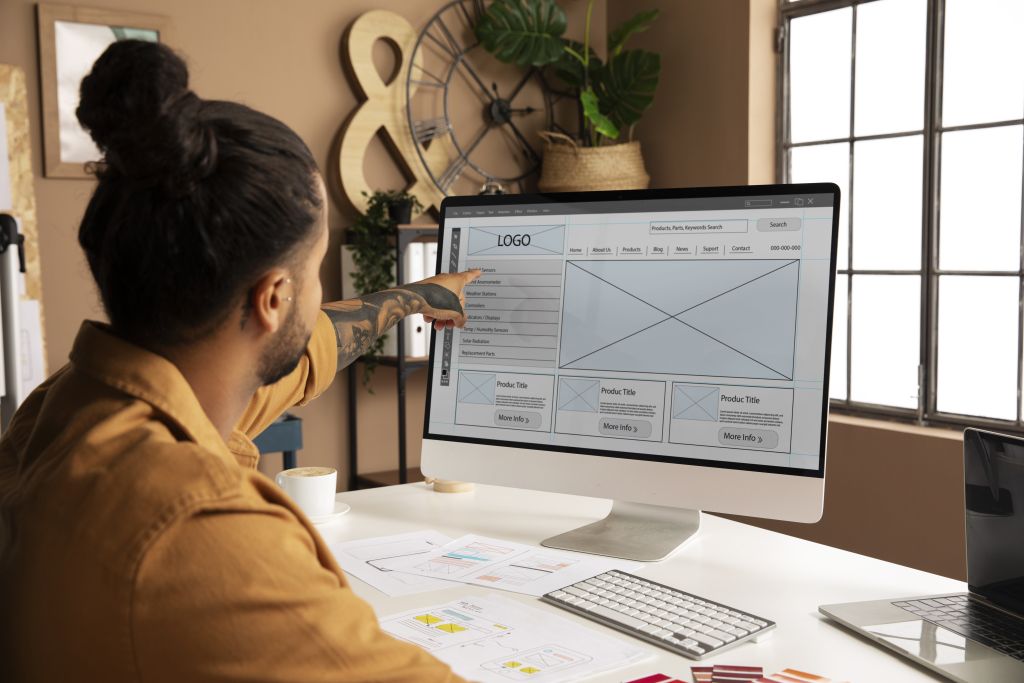
What Is a Custom Website?
A custom website is designed and developed specifically for your business.
Instead of working within the limitations of a template, every part of the website is planned around your brand, your customers, and your business goals.
From the layout and functionality to the user experience, everything is tailored to create a website that supports your business both now and in the future.
Design Flexibility
One of the biggest differences between the two is flexibility. Website builders rely on templates. While these templates can be customised to a certain extent, you’re still working within predefined layouts and design limitations.
A custom website gives you complete freedom over the design. You can create unique page layouts, customised user journeys, interactive features, and branding that truly reflects your business without having to compromise because of a template.
Performance and Speed
Website performance affects both user experience and SEO. Many website builders include features that businesses may never use. These extra elements can sometimes slow down your website.
A custom website is built with only the features you need, helping improve loading speed, performance, and overall efficiency. A faster website creates a better experience for visitors and can contribute to stronger search visibility.
SEO Capabilities
Most website builders include basic SEO settings, such as page titles and meta descriptions.
While these are useful, businesses with long-term growth goals often require more control over technical SEO, page structure, website performance, and content optimisation.
Custom websites provide greater flexibility when implementing SEO best practices, making them better suited for businesses that want to compete in search results over time.
Scalability
Your website should be able to grow with your business.
A website builder may work well when you’re starting out, but as your business expands, you may want additional features such as:
- Customer portals
- Online booking systems
- E-commerce functionality
- Custom integrations
- Membership areas
- Advanced contact forms
A custom website is built with future growth in mind, making it easier to add new features without rebuilding the entire website.
Branding and Credibility
Your website is often the first impression potential customers have of your business.
Template-based websites can look professional, but businesses using the same template may end up with websites that feel very similar.
A custom website gives your brand its own identity. Every design decision is made to reflect your business, helping you stand out from competitors and create a stronger impression with visitors.
Maintenance and Support
Website builders usually handle hosting, software updates, and security as part of their service, making them relatively easy to maintain.
With a custom website, maintenance depends on how the website is built and managed. While it may require more ongoing attention, it also provides greater flexibility, ownership, and control over how the website evolves.
Which Option Is Right for Your Business?
The answer depends on what you want your website to achieve.
A website builder may be suitable if you need a simple online presence, have a limited budget, and don’t require advanced functionality.
A custom website is often the better choice if your website plays an important role in attracting leads, building credibility, or supporting long-term business growth.
Rather than asking which option is better, it’s more useful to ask which option is better suited to your business today and where you want it to be in the future.
Choosing the Right Foundation
Your website is more than just an online brochure. It’s an investment in your business and one of the first places potential customers interact with your brand.
Whether you choose a website builder or a custom website, the goal should always be the same: creating a website that delivers a great user experience and supports your business objectives.
For businesses looking to grow, attract more customers, and build a stronger online presence, a custom website offers the flexibility, performance, and scalability needed to support long-term success.
